
Shared Chore Chart
Shared Chore Chart
Monday
Tuesday
Wednesday
Thursday
Friday
Saturday
Sunday
Products by Category
-
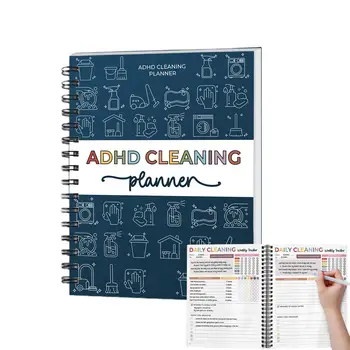
ADHD-Friendly Cleaning Planner Bundle – Visual Home Schedule & Declutter Checklist
Original price was: $15.11.$10.55Current price is: $10.55. -
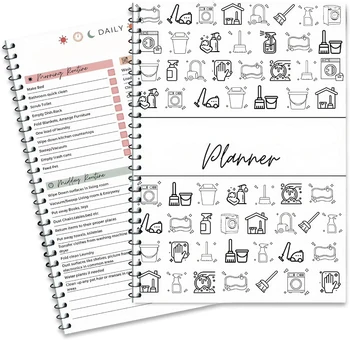
ADHD-Friendly Home Cleaning Bundle – Weekly & Monthly Visual Schedule & Chore Chart
Original price was: $24.79.$5.39Current price is: $5.39. -
Household Chore Chart & Home Planning Stickers – Daily, Weekly, Monthly Cleaning Checklist
Original price was: $19.02.$10.95Current price is: $10.95. -
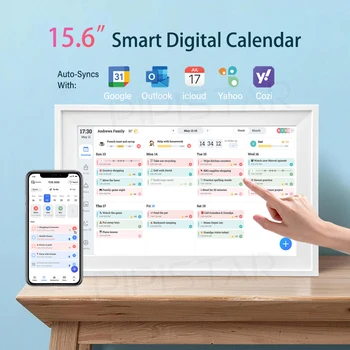
Smart WiFi Digital Family Calendar – Touchscreen Chore Chart & Wall Mountable Planner
Original price was: $404.71.$181.12Current price is: $181.12.

Managing household responsibilities can sometimes feel overwhelming, especially when multiple family members or roommates live under the same roof. That’s where a Shared Chore Chart becomes a game-changer. By clearly organizing tasks, assigning responsibilities, and tracking progress, this simple tool helps reduce stress and promotes fairness at home.
A chore chart is more than just a list—it’s a structured system that ensures accountability and balance. With a shared chart, everyone knows what is expected of them and when. This transparency minimizes conflicts about who should do what, creating a more peaceful and cooperative living environment.
One of the biggest benefits of using a Shared Chore Chart is the way it encourages teamwork. Whether you’re living with family, a partner, or roommates, everyone contributes to maintaining a clean, organized, and functional household. For families with kids, chore charts also serve as a fantastic teaching tool. Children learn responsibility, time management, and the importance of contributing to the family unit.
A digital Shared Chore Chart goes even further by allowing you to access and update tasks on any device. Instead of sticky notes or whiteboards that can easily be forgotten, online charts make it easier to stay on top of chores in real-time. Parents can assign weekly or daily tasks, track completion, and even reward kids for consistency. Roommates can equally divide chores like dishwashing, cleaning, or taking out the trash, ensuring no one feels burdened.
Consistency is the key to making chore charts effective. By setting up recurring tasks—like vacuuming every Saturday or doing laundry twice a week—you create routines that eventually become habits. Over time, maintaining the home becomes second nature, reducing stress and last-minute chaos.
There are also psychological benefits tied to a shared system. When responsibilities are distributed fairly, it reduces resentment and prevents anyone from feeling like they’re doing more than their share. Completing chores and checking them off the chart also gives a sense of accomplishment, boosting motivation.
For best results, it’s helpful to set realistic expectations. Instead of assigning one person all the hard chores, balance out easy and difficult tasks across household members. If you’re using this chart with children, start small with age-appropriate tasks. Simple jobs like making the bed, feeding pets, or putting toys away can help kids feel included while teaching independence.
If you’re new to chore charts, start with free online tools that allow customization and sharing among family members. You can also explore resources like Trello, Todoist, or Google Keep to create shared to-do lists that function like digital chore charts. For families who prefer printable solutions, sites like Canva offer easy templates to design your own chore tracker.
By using a Shared Chore Chart, households save time, prevent misunderstandings, and build stronger cooperation. Whether digital or printable, this simple yet effective tool ensures that everyone contributes fairly to keeping the home running smoothly.